
Each year, TNU joins this initiative promoted by the European Commission and by Spanish national and regional environmental authorities, focused on encouraging the reduction, reuse, and recycling of waste.
In Spain, around 15.3 million tyres were sold in 2024. An estimated 16% of drivers travel with incorrect tyre pressure, which shortens tyre service life by 20% to 30%. With proper maintenance, more than five million tyres per year could be saved. This avoids unnecessary consumption of raw materials, energy, and water, and also reduces emissions associated with tyre manufacturing and transport.
Responsible maintenance: key to preventing waste and emissions
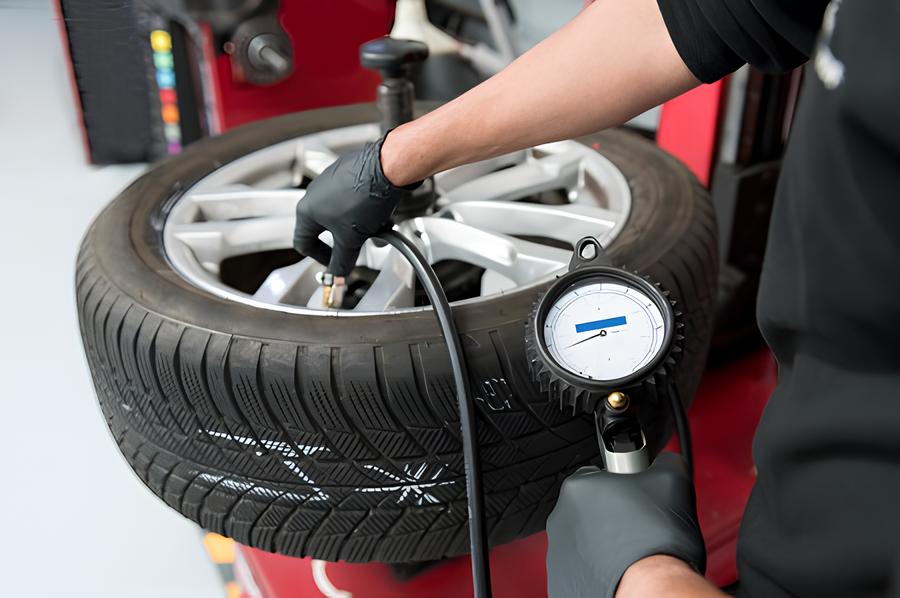
Driving with tyres at the correct pressure not only improves road safety, but is also one of the most effective ways to prevent waste and reduce emissions. A properly inflated tyre can save up to 10% in fuel and extend its service life by 20% to 30%, avoiding premature replacement.
In Europe, more than half of drivers travel with inadequate tyre pressures, leading to an estimated additional consumption of 5.8 billion litres of fuel and 13 million tonnes of CO₂ per year. In Spain, with a vehicle fleet of 29 million vehicles, maintaining correct tyre pressure could save close to 1.25 billion litres of fuel and prevent the emission of around 3.1 million tonnes of CO₂ each year.
Royal Decree 712/2025, which regulates the management of tyres at the end of their service life, clearly reinforces waste prevention, a core pillar of the European Week for Waste Reduction. The regulation sets out measures specifically aimed at preventing the generation of end-of-life tyres and reducing the environmental impact associated with their management. Article 1 sets as a priority objective to “prevent and reduce their environmental impact throughout their entire life cycle”, promoting, in this order: reduction, preparation for reuse, recycling, and recovery.
The decree also develops tools that support longer tyre service life and facilitate preparation for reuse and recycling, strengthening the circular economy in the sector. These measures include actions aimed at efficient use of resources and promoting the recovery of materials such as rubber, steel, and textiles.
The Royal Decree also includes awareness-raising actions focused on prevention, aimed at informing the public about the importance of proper management and the role of correct tyre use in preventing premature waste generation.
Overall, RD 712/2025 positions waste reduction, reuse, and the circular economy as essential elements of sustainable tyre management, fully aligned with the objectives of the European Week for Waste Reduction.
More safety, less waste
Responsible maintenance also improves road safety. Underinflation reduces grip, increases braking distance, and raises the risk of blowouts. Driving with 0.5 bar less than recommended reduces tyre service life by around 20%, and with 1 bar less, by up to 30%.
Each tyre kept in service thanks to proper maintenance avoids generating around 9 kg of waste and the consumption of 1,960 litres of water needed to manufacture a new one.
TNU extends its prevention campaign throughout the year
Last year, TNU launched the “Tyre Care Week” campaign, as part of the European Week for Waste Reduction.
In 2026, the organisation will take it one step further and keep the campaign active throughout the year, reinforcing its awareness work in workshops, social media, and participating companies. “Prevention should not be limited to a single week. Taking care of tyres all year round means consuming less, generating less waste, and driving more safely,” said Javier de Jesús Landesa, TNU’s operations director.
Through practical tips, educational materials, and regular checks, TNU promotes more sustainable and responsible driving, reminding us that sustainability begins with a gesture as simple as checking tyre pressure.